
 Save
Save
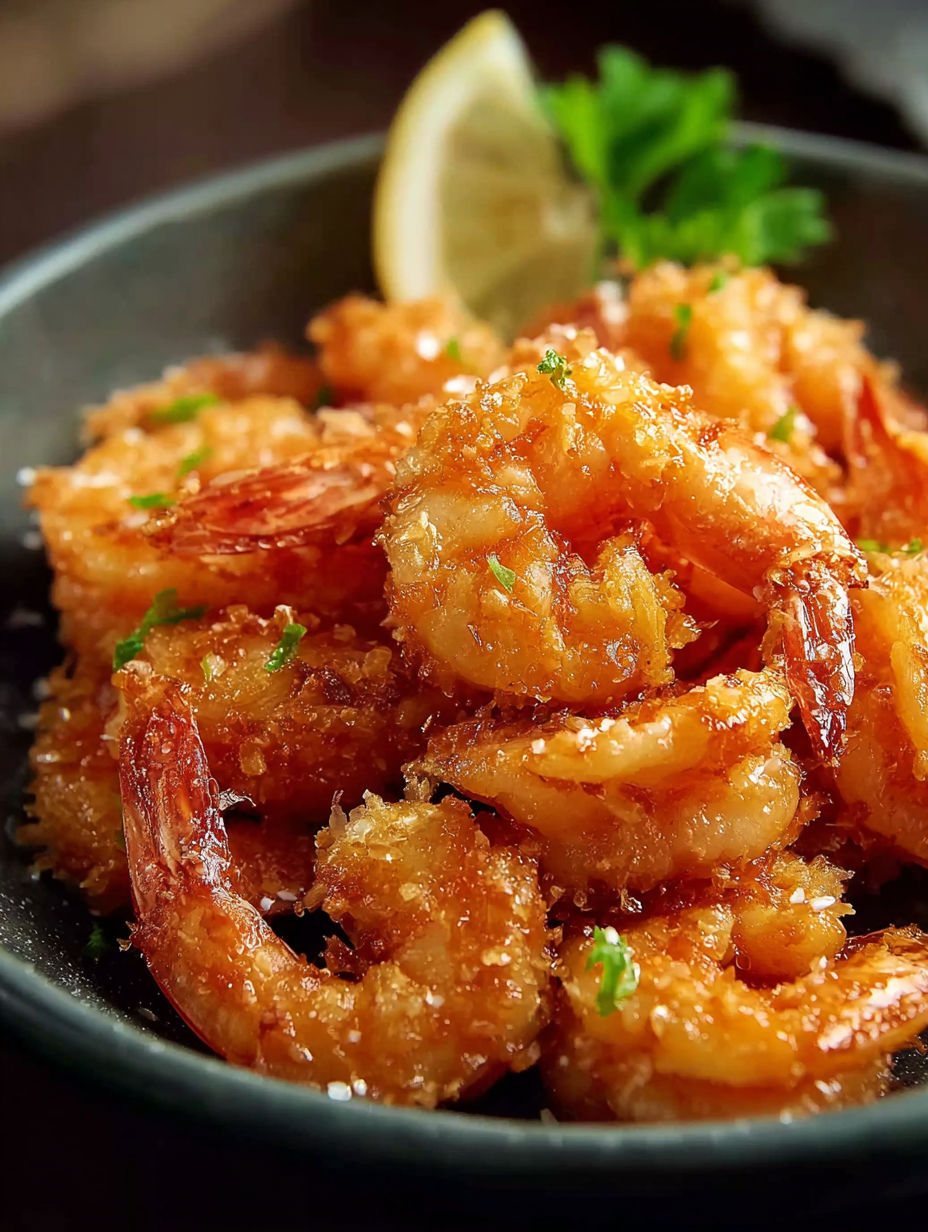
This crispy Chinese coconut shrimp is the perfect blend of textures and flavors that turn a simple dinner into a special treat. Each bite offers a delightful crunch with a luscious coconut sauce that’s both sweet and creamy, making it a true crowd-pleaser.
I first made this recipe on a whim and was instantly hooked by how easy it was to transform ordinary shrimp into something extraordinary. It’s become a go-to comfort dish whenever we crave something both crunchy and creamy.
Ingredients You Need
- One pound of large shrimp: peeled and deveined for the perfect tender bite choose fresh or properly thawed frozen shrimp
- One egg white: helps the dry coating stick neatly to each shrimp for crispiness
- One cup cornstarch: creates that irresistibly crispy crust when fried
- Half a cup coconut cream: gives the sauce its iconic velvety coconut flavor
- Half a cup sweetened condensed milk: balances rich creaminess with a subtle sweetness
- Quarter cup mayonnaise: adds silkiness and depth to the sauce
- Vegetable oil for frying: use a neutral oil with a high smoke point for even cooking
- Two green onions: thinly sliced for fresh garnish and a pop of color
Detailed Cooking Directions
- Step 1 Prep the Shrimp:
- Rinse the shrimp under cold water and pat completely dry with paper towels. Whisk the egg white until lightly frothy then toss the shrimp in it until all are well coated. This step ensures the cornstarch adheres well and helps build that crunchy outer layer.
- Step 2 Coat the Shrimp:
- Place cornstarch in a shallow dish and dredge the shrimp pieces completely. Shake off any excess to prevent uneven frying and sogginess.
- Step 3 Fry Until Crispy:
- Heat vegetable oil in a deep skillet or wok over medium-high heat. Test readiness by dropping a small bit of batter into the oil& it should sizzle immediately. Fry shrimp in small batches for 2 to 3 minutes per side or until golden and crisp. Use tongs to flip gently and transfer cooked shrimp to a paper towel-lined plate to drain excess oil.
- Step 4 Make the Coconut Sauce:
- In a saucepan over low heat, combine coconut cream, sweetened condensed milk, and mayonnaise. Stir constantly until the mixture blends smoothly and thickens slightly. Keep the heat low to avoid boiling which can separate the sauce.
- Step 5 Toss and Serve:
- Add your fried shrimp to the warm coconut sauce and toss carefully until each piece is evenly coated. Serve immediately garnished with sliced green onions over jasmine rice or noodles for a meal that feels both comforting and indulgent.
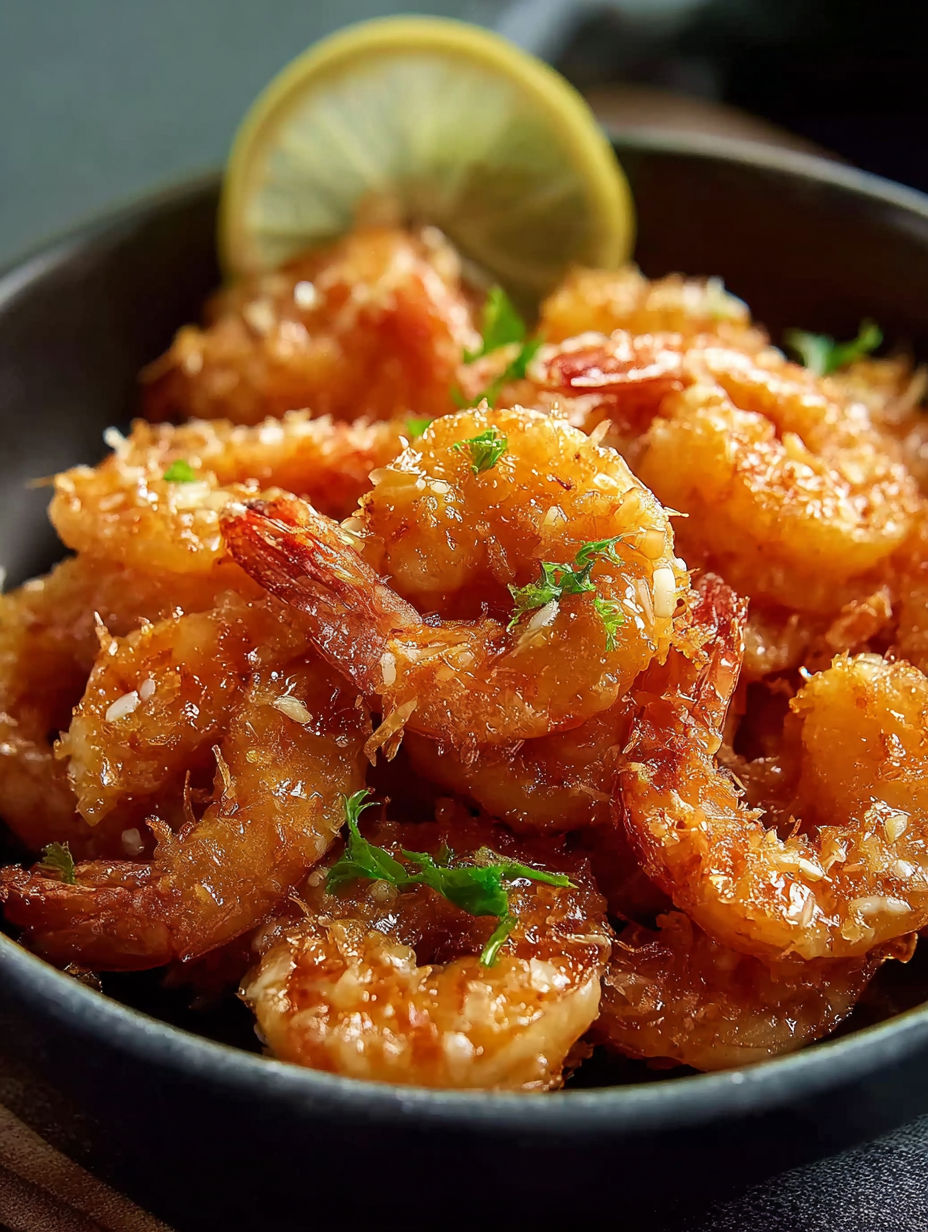
Once I made this dish for a gathering, and the sauce was so good it inspired everyone to ask for the recipe. Using low heat when cooking the sauce really helps maintain its smooth texture.
Smart Storage Tips
Store any leftover shrimp and sauce separately in airtight containers in the refrigerator. This helps keep the shrimp crunchy when reheated. Reheat shrimp quickly in a hot skillet without sauce then drizzle the sauce over after warming for best texture. Consume leftovers within two days to enjoy the freshest flavors.
Ingredient Variations
Swap mango slices or pineapple chunks for a fruity twist and extra tropical vibes. Try light coconut milk instead of cream for a lighter, less rich sauce. Add a touch of chili flakes for a gentle spicy kick that complements the sweetness.
Perfect Pairing Ideas
Serve with fluffy jasmine rice to soak up the creamy sauce beautifully. Pair with stir-fried vegetables such as snap peas or baby bok choy for color and crunch. A crisp white wine like Sauvignon Blanc complements the creamy coconut perfectly.
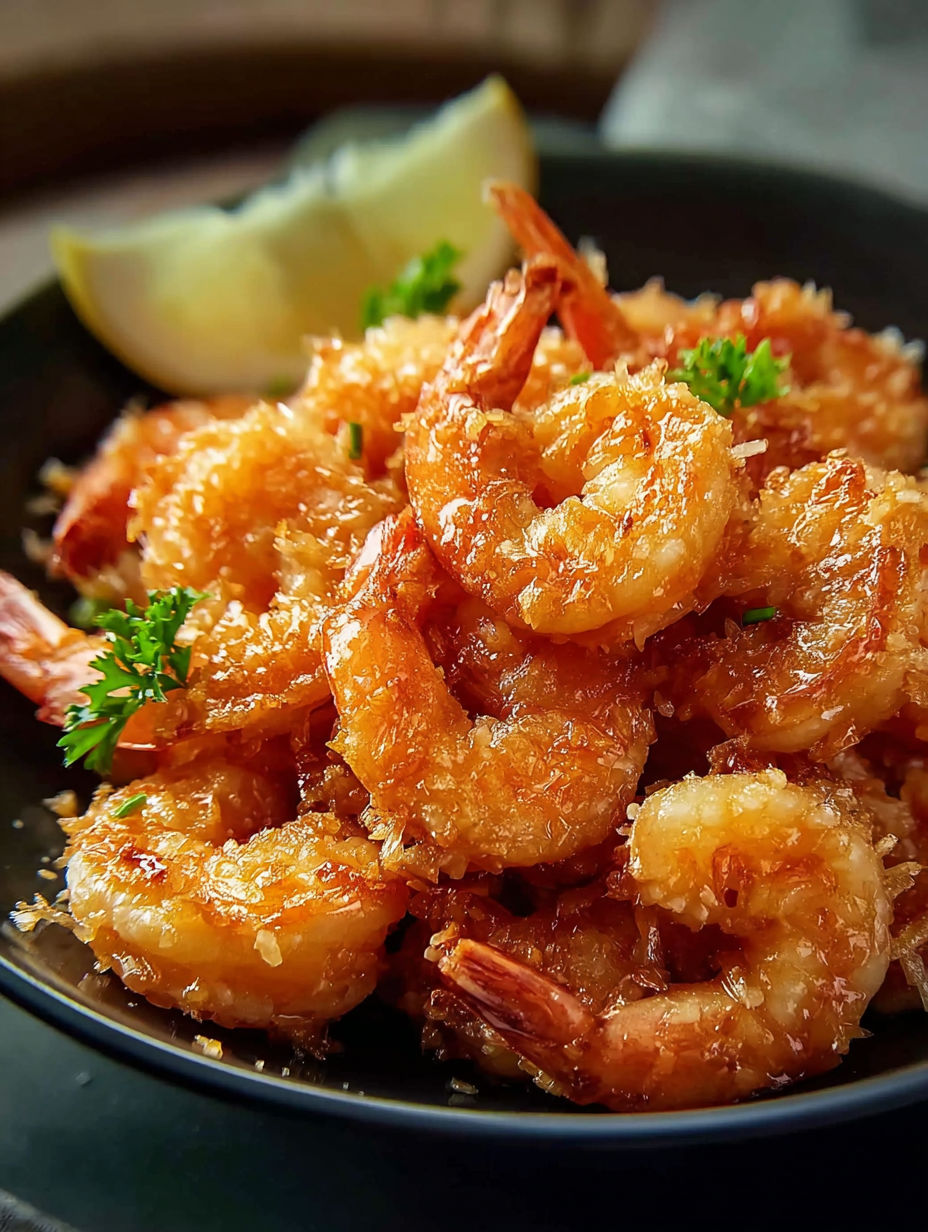
This Chinese coconut shrimp recipe is one you’ll want to keep close whenever the craving hits for a crunchy, creamy dish that never disappoints.
Frequently Asked Questions
- → What type of shrimp is best for this dish?
Large, peeled, and deveined shrimp work best to ensure even cooking and easy coating, resulting in a tender yet crispy texture.
- → How can I ensure the shrimp stays crispy after coating with sauce?
Make sure to pat shrimp thoroughly dry before coating. Fry until golden and drain well. Serve immediately after tossing in the coconut sauce to maintain crispiness.
- → Can I substitute coconut cream in the sauce?
While coconut cream gives a rich texture, you can use thick coconut milk as a lighter alternative, though the sauce will be less creamy.
- → What is the purpose of mayonnaise in the sauce?
Mayonnaise adds smoothness and slight tang, balancing the sweetness and enhancing the sauce's creamy mouthfeel.
- → What oil is recommended for frying shrimp?
Use vegetable oil or another neutral high-smoke point oil to achieve a consistent, crispy fry without overpowering flavors.